
Mahjong Blast review
 Analysis by GetAllApps
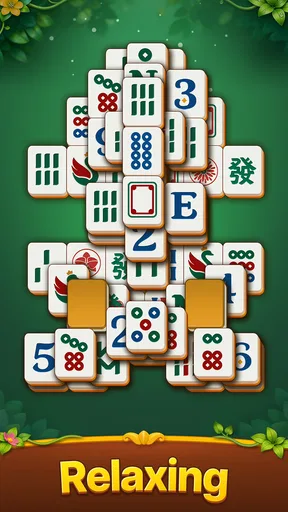
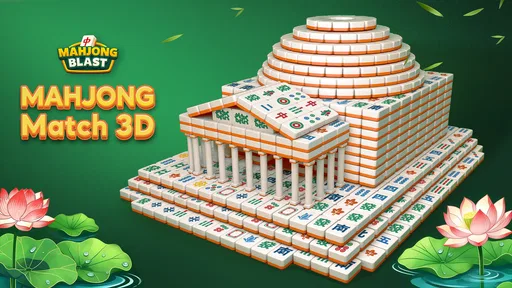
I find a mahjong solitaire game works best when it lets me settle into a quiet rhythm without making every pause feel like a setback. Mahjong Blast is built around that simple appeal: look over a tile layout, find matching pairs that can be removed, and keep going until the board is cleared or no useful move remains. It is an easy idea to understand, but a board can still make me stop and think, especially when a tempting match hides a tile I may need later.
That makes this a good fit for short breaks, a calm evening wind-down, or a few minutes when I want something more engaging than scrolling. It is a free board game from Nebula Studio, rated for Everyone, and its broad reach is reflected in more than 100 million installs and an average rating of 4.8 from around 2.6 million ratings. Those figures suggest wide appeal, though they do not guarantee that every player will enjoy the pace or style.
When a simple board becomes a sticking point
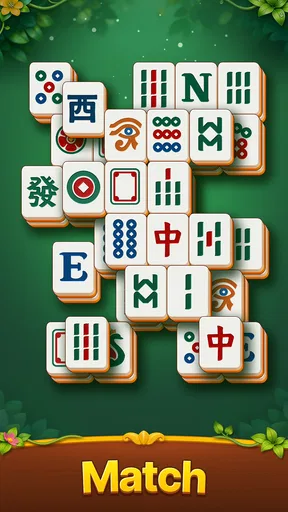
The main challenge in mahjong solitaire is not learning the basic match rule; it is recognizing which tiles are actually available and thinking beyond the pair that looks easiest. A match can feel obvious while still being a poor choice if it blocks access to a useful tile or leaves the board in an awkward state. I recommend scanning the layout before making the first move, rather than tapping the first pair I notice.
That small habit is especially useful when I am playing while distracted. If I am interrupted halfway through a board, it is easy to return and forget which parts of the layout I had already considered. I try to pause after a move and take in the newly exposed tiles before choosing another pair. It reduces rushed decisions and makes the puzzle feel more deliberate, even during a brief session.
Players who expect a fast, high-pressure game may find the measured matching less satisfying. The appeal here is observation and patience, not quick reactions. If I want constant action or direct competition, a more energetic board or arcade game would suit me better. Mahjong Blast is most convincing when I treat each layout as a small visual puzzle rather than a test of speed.
Why a promising move can lead to a dead end
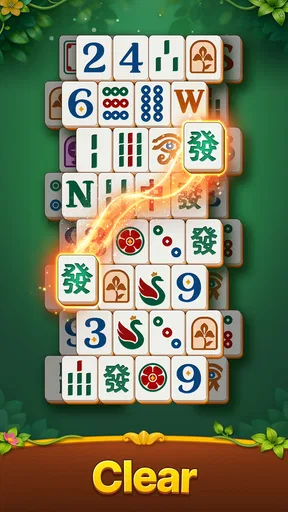
A useful way to approach a difficult board is to look for matches that open up covered or constrained areas, rather than simply removing pairs wherever they appear. When two possible pairs compete for attention, I consider which choice is more likely to reveal new options. This is not a guarantee that the board will resolve neatly, but it gives my decisions a purpose and helps me avoid playing on autopilot.
I also avoid tapping repeatedly when I am unsure what the board is showing me. A moment to check the tile symbols and their positions is better than a string of speculative moves. On a small phone screen, similar-looking tile faces can take longer to distinguish, so adjusting how I hold the phone or taking a closer look can help more than trying to play faster.
Getting started without adding unnecessary friction
Because the game’s core loop is familiar, I do not need a long preparation routine. I open it when I have enough attention for a puzzle, choose a comfortable position, and make sure the screen is easy to see. That last point matters more than it might in a word game: matching depends on visually comparing tile faces, and glare or a cramped view can turn a relaxing session into needless squinting.
The current version is 3.1.2, and the listed minimum operating system is 7.1. If the game will not install or open, I would first check that the device meets that requirement and that the app store has completed the installation properly. I would also restart the app before assuming the puzzle itself is at fault. These are ordinary first checks, not a promise that they resolve every device issue.
There is no need to make the first session a marathon. I find it more useful to play one board at a time and notice whether I enjoy the pace, visual matching, and need to plan ahead. That tells me more than pushing through a long session when I am tired. The game is free to download, with in-app purchases ranging from $1.49 to $12.99 per item, so I would also keep an eye on purchase prompts and make sure any store payment settings are suitable for the person using the device.
A routine for returning after an interruption
Mahjong solitaire is easy to pause mentally, but a notification, conversation, or quick errand can break my concentration. When I return, I start by surveying the remaining layout instead of trying to reconstruct every decision. I look for pairs that have become newly accessible, then consider whether removing them will expose more choices. This reset is quicker and less frustrating than replaying the whole sequence in my head.
If the board no longer makes sense, I stop for a few seconds and identify the available matches from the visible tiles. I avoid making several moves simply to see what happens; that can make it harder to understand why the remaining options have narrowed. A slower, single-move check keeps the puzzle readable and is particularly helpful when I am playing in a noisy environment or between other tasks.
When something seems stuck, I separate a gameplay problem from an app problem. If the board is responsive but I cannot find a good match, I treat that as a puzzle decision and inspect the layout again. If taps do not register or the screen appears frozen, I close and reopen the app, then check whether the device itself is responding normally. I would not assume a difficult board means the installation is broken, or that a technical hiccup means I made a bad move.
Who will enjoy it—and who may prefer another game
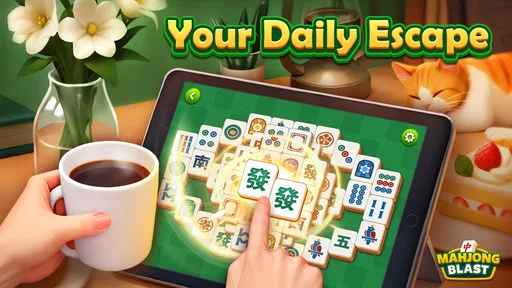
I would recommend Mahjong Blast to someone who likes visual puzzles and wants a game that can fit around everyday routines. It works well for a short break while waiting for a kettle, during a quiet commute when it is safe and practical to use a phone, or as a low-key activity before bed. In those situations, the straightforward matching premise is an advantage: I can focus on the board without learning a complicated set of rules first.
Compared with many other board games, it asks more of visual attention than of planning several turns around a shared opponent. Compared with other tile-matching games, its solitaire structure makes the experience more reflective and less social. That difference is important. Someone looking for live multiplayer, a strong competitive ladder, or a story-driven campaign should choose a game designed around those things instead of expecting them from a solitary matching puzzle.
It may also be a poor choice for anyone who dislikes repeated pattern recognition or finds tile layouts visually tiring. The same quiet structure that makes it easy to pick up can become repetitive if I want new mechanics or a strong sense of progression. I would test whether the basic board-solving loop holds my attention before spending money on optional purchases; paying does not change whether the central activity is a good fit for me.
What the game does well, and where I would keep expectations modest
The strongest quality is how little overhead stands between me and a puzzle. I can settle in quickly, look for matches, and use the board itself as the focus of the session. The challenge comes from reading the arrangement, not from mastering a complicated control scheme. For a casual player, that makes it easy to return to after a day away without needing to relearn how everything works.
The trade-off is that a familiar solitaire format depends heavily on the quality and variety of its boards to stay fresh. I would not choose it expecting every session to feel dramatically different or every puzzle to be a major strategic challenge. Its appeal is steadier: a compact mental exercise that can be relaxing when I want one and mildly frustrating when I rush or lose track of the layout.
Mahjong Blast is a sensible pick if you want a free, approachable board game centered on tile matching and you are happy to play at your own pace. Its 4.8 average and large audience are encouraging signs of broad appeal, while its Everyone rating makes it suitable for a general audience. My practical advice is to start with short sessions, scan before each move, and pause to reassess after interruptions. If that kind of calm visual problem-solving sounds appealing, I think it is worth trying; if you need fast action or social competition, another category will serve you better.
Pros and cons
Pros
- Quick rounds make it easy to play during short breaks.
- Simple tile-matching controls are friendly to newcomers.
- Bright visuals make tiles easy to distinguish.
- Progression offers goals beyond completing individual boards.
- The familiar mahjong format requires little learning.
Cons
- Some boards can feel repetitive after extended play.
- Later levels may require more careful planning.
- Small tiles can be harder to tap on compact screens.
- Hints can reduce the challenge of solving a board unaided.
- Frequent play may make progression feel grindy.


